Transporting industrial machinery is a critical aspect of running a successful business, especially in a bustling city like Dallas, where industries like construction, manufacturing, and energy rely heavily on the efficient movement of large, heavy equipment. Whether you're moving machines between job sites, shipping equipment to a new location, or arranging transport for machinery maintenance, the choice of transport service can impact the safety, efficiency, and cost-effectiveness of your operations. In this article, we’ll explore how to choose the right industrial machinery transport service for your business needs in Dallas, covering essential factors like equipment size, service types, regulatory requirements, and more.
1. Understand Your Industrial Machinery Transport Needs
Before you start looking for an industrial machinery transport service in Dallas, it’s important to understand your own specific needs. The type of machinery you need to transport, the distance it must travel, and any specific requirements for safe delivery all play a role in choosing the right service.
Here are some factors to consider when assessing your machinery transport needs:
- Size and Weight: The size, weight, and dimensions of your machinery will determine the type of transport vehicle required. Oversized equipment may need specialized trailers like lowboys or RGNs (removable gooseneck trailers). Type of Machinery: Is the equipment stationary or mobile? Does it have any fragile components that need extra protection during transit? The transport service must be able to handle the unique requirements of your specific machinery. Transport Distance: Local transport within Dallas might have different requirements compared to long-distance transport. Make sure the transport company has experience with your specific travel distance, whether it's within the city, across the state, or nationally. Time Sensitivity: Is the machinery transport part of a time-sensitive project? If you need fast delivery, ensure the transport company can meet your deadlines without compromising safety.
Taking the time to assess these factors will help you narrow down the options and find a transport service that can meet your specific needs.
2. Types of Industrial Machinery Transport Services
There are various types of transport services available for moving industrial machinery, each suited to different types of equipment and transport needs. Understanding these options will help you make an informed decision when choosing the right service provider in Dallas.
The main types of industrial machinery transport include:
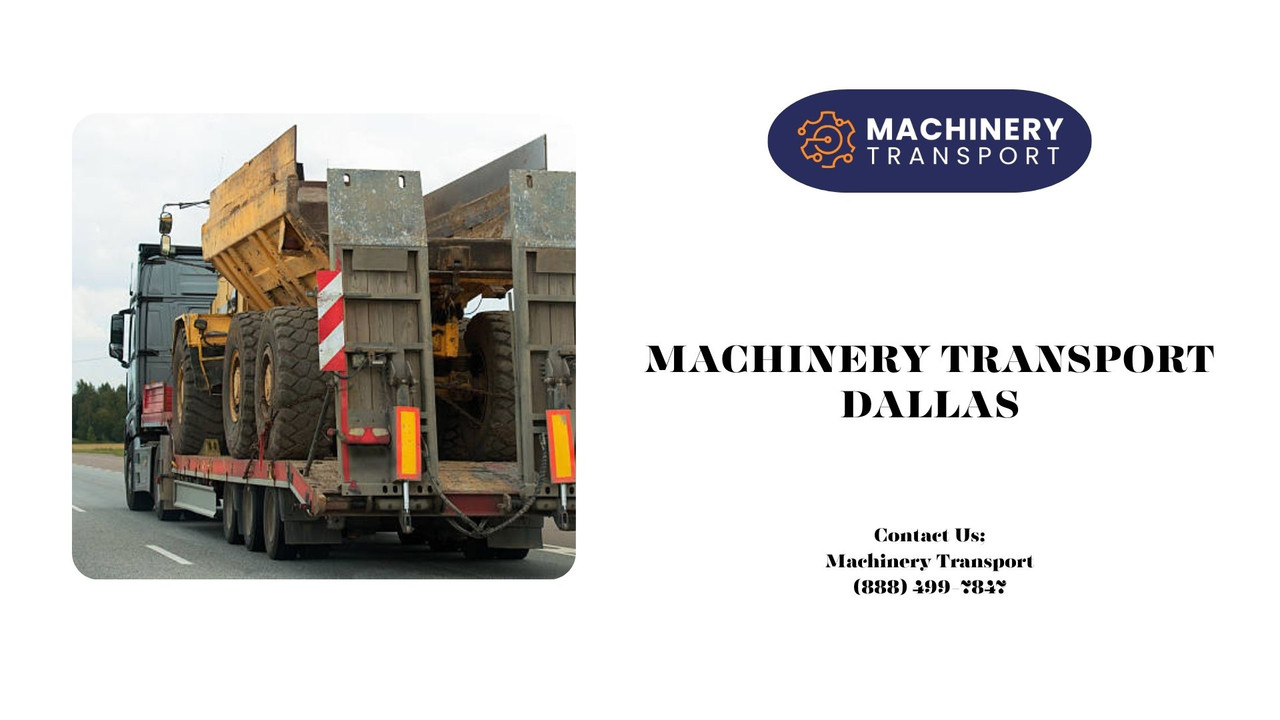
- Flatbed Transport: Flatbed trailers are one of the most common methods for transporting industrial machinery. These trailers provide a flat, open platform to load equipment and are suitable for machinery that does not exceed the height or width limits for standard transport. Lowboy Trailers: Lowboy trailers are specifically designed for tall or heavy machinery that needs to be transported with a lower center of gravity. These trailers are commonly used for construction equipment like cranes, bulldozers, and excavators. Step Deck Trailers: Step deck trailers offer a step-down section that allows for taller loads to be transported while keeping the load’s center of gravity low. These trailers are ideal for large equipment that cannot fit within standard transport height limits. RGN (Removable Gooseneck) Trailers: RGN trailers are typically used for transporting very heavy or large equipment. The removable gooseneck allows machinery to be driven directly onto the trailer, making it ideal for oversized construction machinery, generators, and industrial equipment. Specialized Transport: For unique or highly specialized machinery, custom transport solutions may be required. This could include custom-built trailers or additional equipment to secure the machinery during transport. Specialized transport is commonly used for machinery with fragile or complex components.
When choosing a transport service, the type of machinery you’re transporting will dictate the appropriate transport method. A reliable transport provider in Dallas will assess your machinery’s needs and recommend the best solution for safe, efficient, and cost-effective transport.
3. Licensing, Insurance, and Permits
When selecting an industrial machinery transport service in Dallas, it’s crucial to choose a company that is properly licensed and insured. Transporting large, heavy equipment often requires specific legal requirements and documentation to ensure safety and compliance with local, state, and federal laws.
Key considerations include:
- Licensing: Ensure that the transport company is licensed to carry oversized and heavy loads. Companies must meet specific regulatory requirements for operating in Texas and nationwide, including adherence to weight, size, and safety standards. Insurance: The transport company should provide insurance coverage for the machinery being transported. This protects both you and the company in case of damage, accidents, or theft during transport. Permits: Transporting oversized machinery often requires special permits. The transport company should handle the necessary permit applications for you, ensuring that your load complies with all regulations. This may include route permits, weight permits, or the need for escort vehicles.
Make sure to ask for proof of the company’s licensing and insurance before committing to their services. A reputable transport company will have no issues providing these documents to ensure your peace of mind.
4. Experience and Reputation of the Transport Company
Experience matters when it comes to industrial machinery transport. Heavy equipment and industrial machinery are often costly and sensitive, requiring expertise in handling, securing, and transporting. Choose a transport company in Dallas that has a proven track record of successful deliveries.
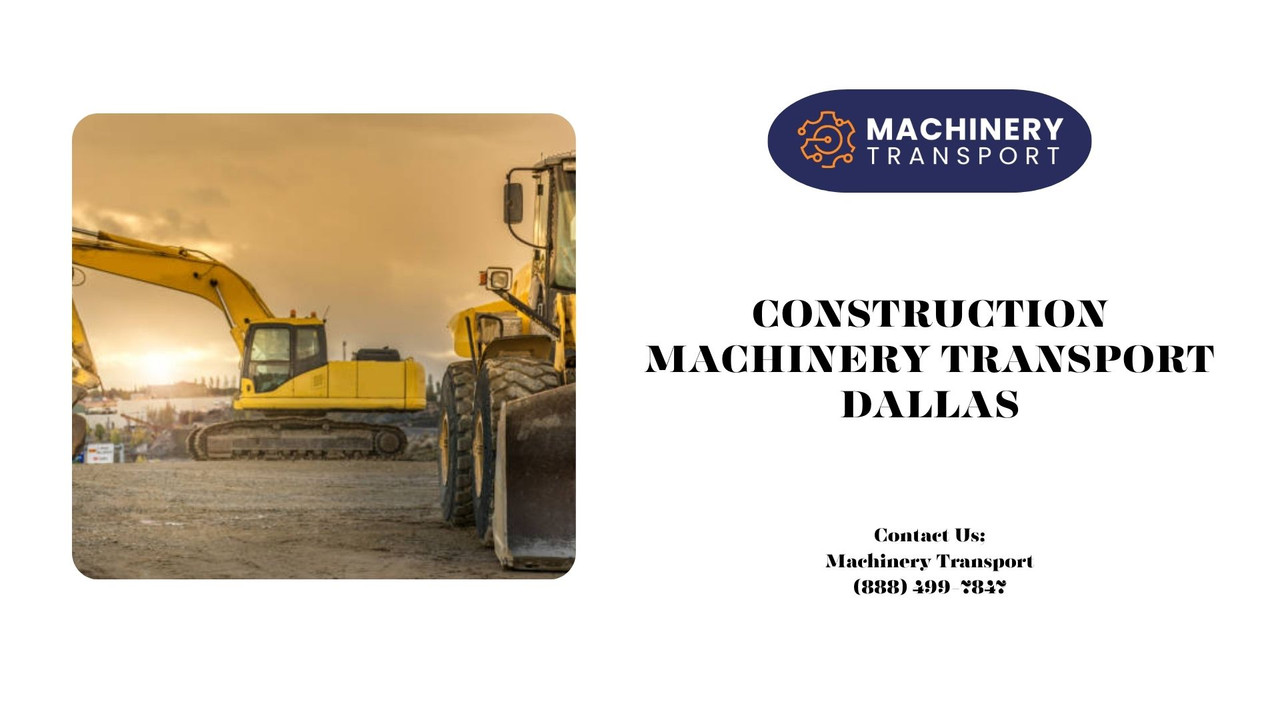
Look for companies that specialize in industrial machinery transport and have experience with your type of equipment. A company with experience will understand the unique challenges of transporting large machinery and will know the best practices for ensuring a smooth, safe transport process.
In addition to experience, consider the company’s reputation. Check reviews, ask for references, and inquire about their history with other clients. A company with a strong reputation for timely delivery, careful handling, and excellent customer service will be more likely to meet your expectations.
5. Safety Standards and Best Practices
Safety is a top priority when transporting heavy machinery, both for the equipment and for the people involved in the transport process. When choosing an industrial machinery transport service in Dallas, make sure the company follows strict safety protocols to protect your machinery during the entire shipping process.
Safety best practices include:
- Proper Loading and Securing: Heavy machinery must be properly loaded onto the transport vehicle and securely fastened to prevent shifting during transit. This includes using appropriate tie-downs, chains, and other restraints. Route Assessment: A good transport company will assess the route beforehand to avoid hazards such as low bridges, narrow roads, or areas with weight restrictions. This ensures a safe journey for the equipment. Escort Vehicles: For oversized loads, escort vehicles may be necessary to guide the transport through traffic and ensure the safety of the equipment, as well as other drivers on the road. Driver Experience: Experienced drivers are essential for handling the complexities of oversized machinery transport. They must be trained to deal with large loads and know how to handle any issues that may arise during the transport process.
Choose a transport company that follows these safety standards and has a demonstrated commitment to delivering machinery securely and on time.
6. Transparent Pricing and Cost Estimates
Cost is an important factor when selecting an industrial machinery transport service. However, it’s essential to focus not only on the price but also on the value of the service you’re receiving. Look for a company that offers transparent pricing and provides a detailed cost estimate for your machinery transport needs.
The cost of industrial machinery transport can vary depending on several factors:
- Size and Weight of Equipment: Larger and heavier machinery generally requires more specialized transport equipment, which can increase the cost. Distance: Long-distance transport will typically cost more, as it requires additional logistics, fuel, and permits. Route Considerations: If special routes, permits, or escort vehicles are needed, these additional services will increase the cost. Loading and Unloading: If cranes or specialized equipment are needed for loading and unloading, this will also add to the cost.
Be sure to get a detailed, written estimate that outlines all of these factors. This will help you avoid any hidden fees or unexpected costs during the transport process.
7. Customer Service and Communication
Effective communication and customer service are essential for a smooth heavy machinery transport experience. When working with a transport company, you want to be kept informed throughout the process. Choose a company that is responsive, reliable, and transparent in their communication.
Here’s what you should expect from good customer service:
- Responsive Communication: The company should respond to your inquiries promptly, whether it’s by phone, email, or online chat. Real-Time Updates: A reliable transport company should offer tracking services and keep you updated on the status of your machinery transport. Dedicated Point of Contact: Choose a company that provides a dedicated point of contact for your shipment, ensuring clear and direct communication throughout the process.
Good customer service helps reduce stress during the shipping process and ensures that you are always informed about the status of your machinery transport.
8. Conclusion
Choosing the right industrial machinery transport service in Dallas requires Industrial machinery transport Dallas careful consideration of several factors, including experience, licensing, safety, pricing, and customer service. By evaluating these key factors, you can ensure that your machinery is transported safely, on time, and at the best possible cost.
Take the time to research potential transport companies, request quotes, and ask questions before making a decision. With the right transport partner, you can rest assured that your industrial machinery will be handled with care and delivered to its destination without issue.
Contact Us
Company: Machinery Transport
Phone: (888) 499-7847